



2026年02月25日掲載
岡崎和郎 – ものの記憶・再考
YOKOTA TOKYO
- 会期
- 2026年03月09日~2026年04月03日
カルーセル
-

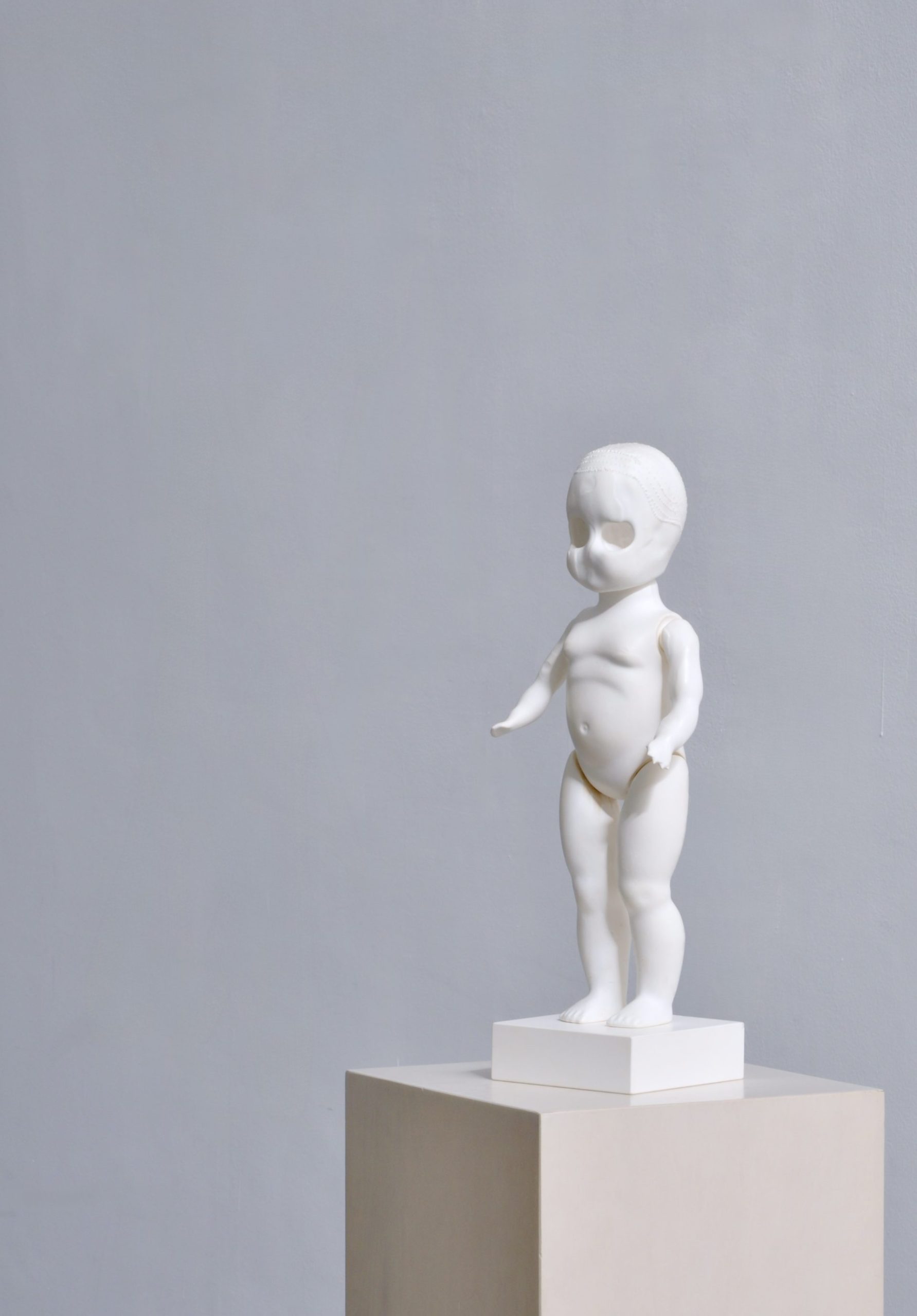
岡崎和郎《ものの記憶 - 人形》 1998
-

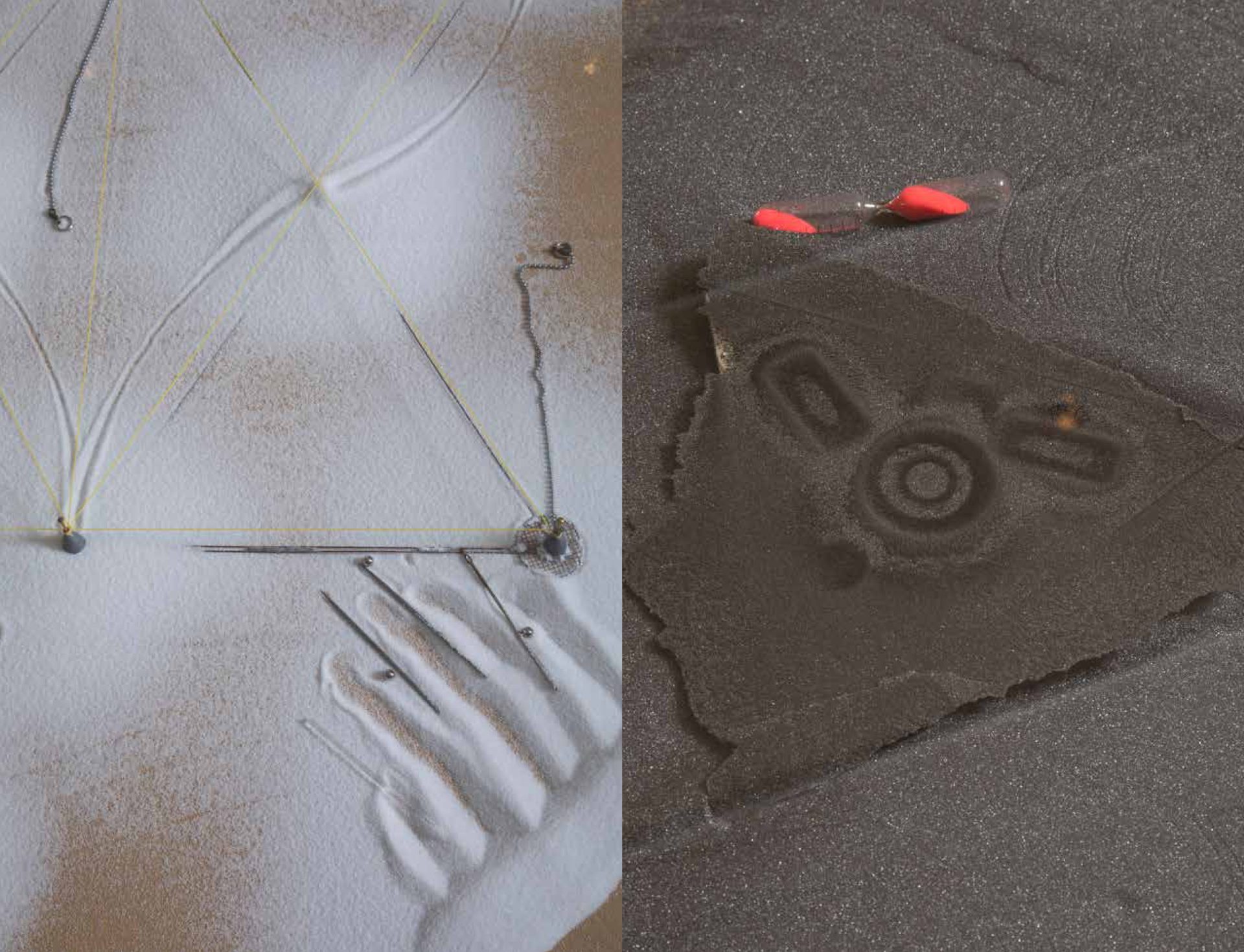
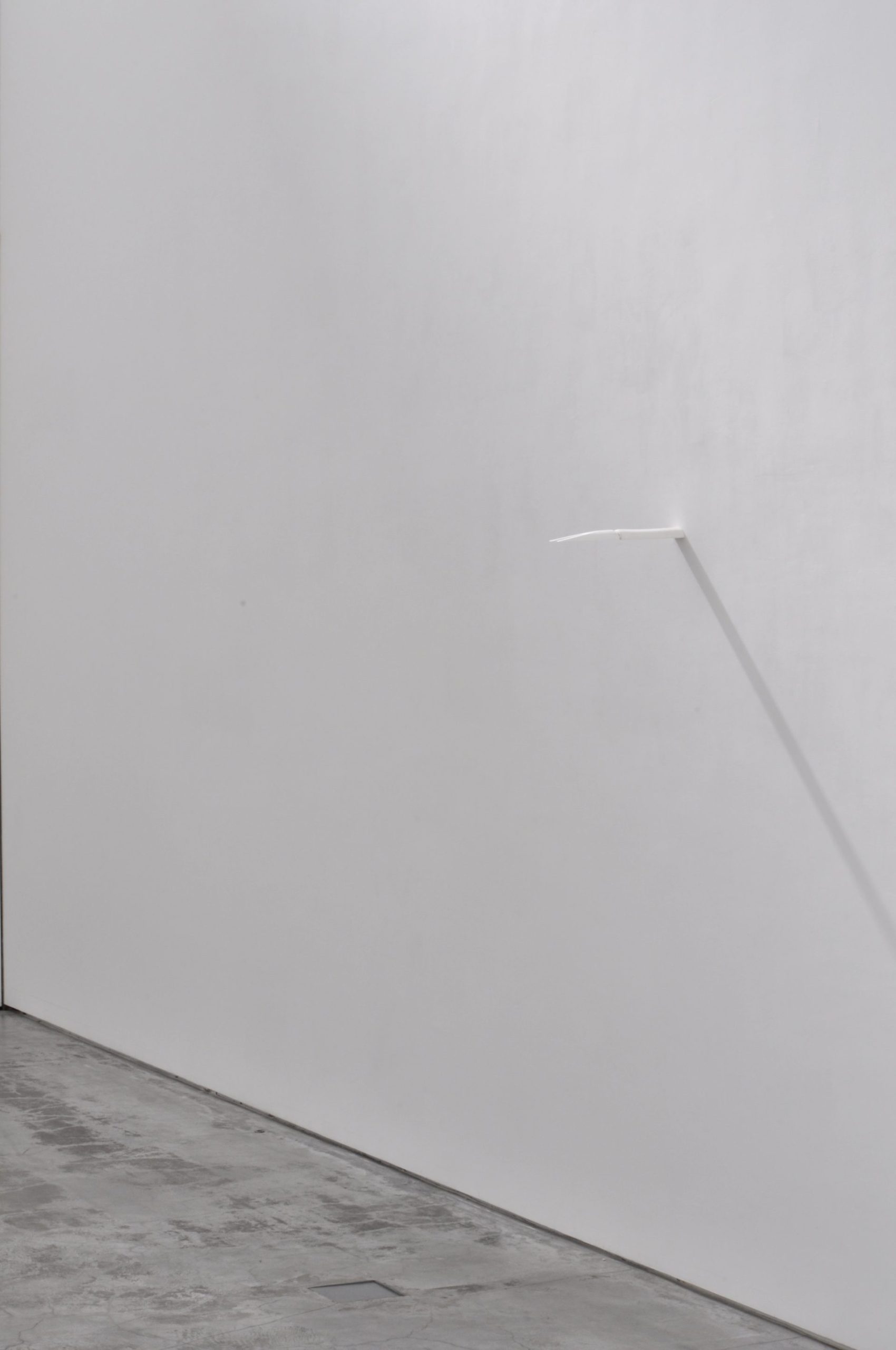
岡崎和郎《ものの記憶 - 竹槍》 1998
-

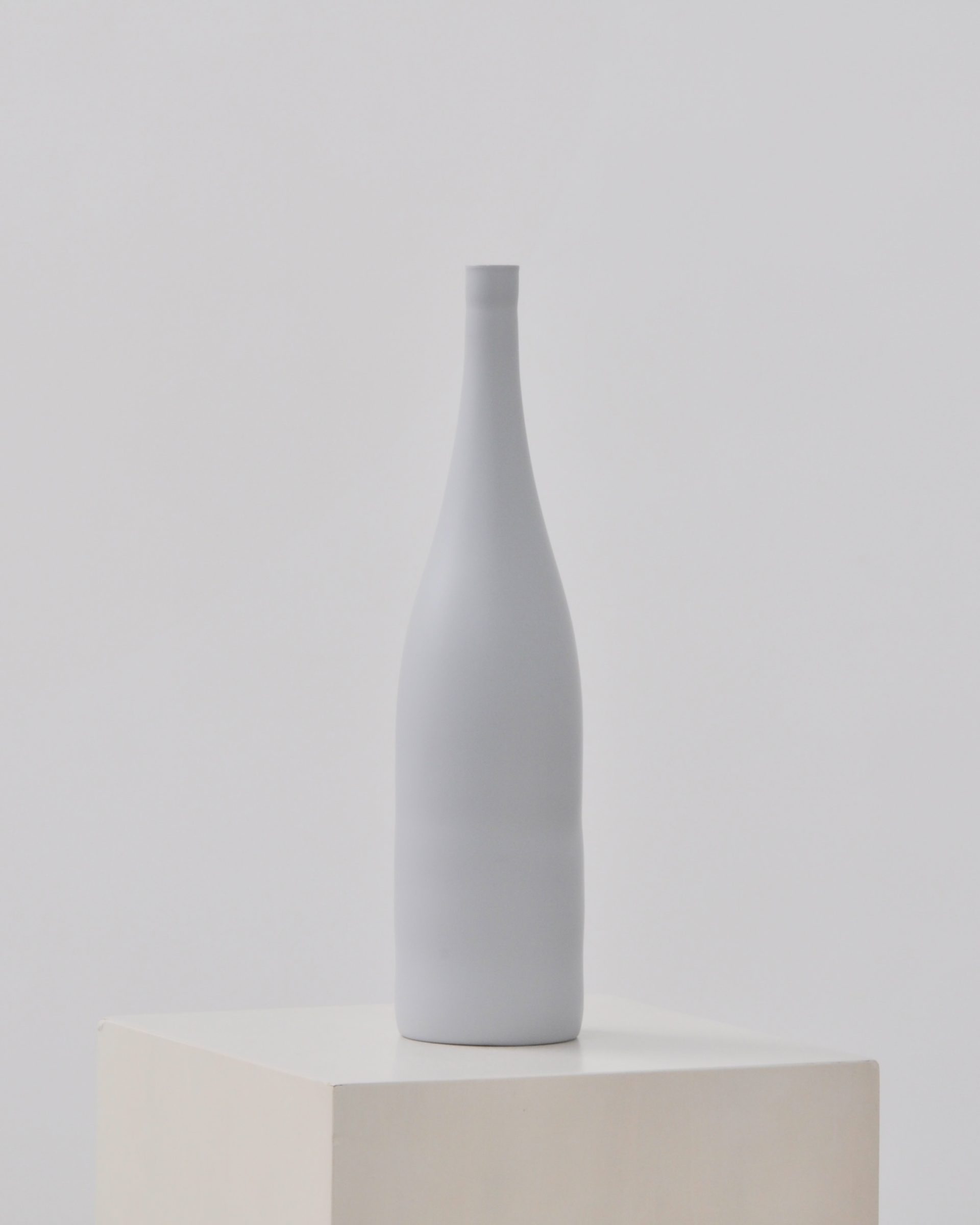
岡崎和郎《一升瓶》 2011
-

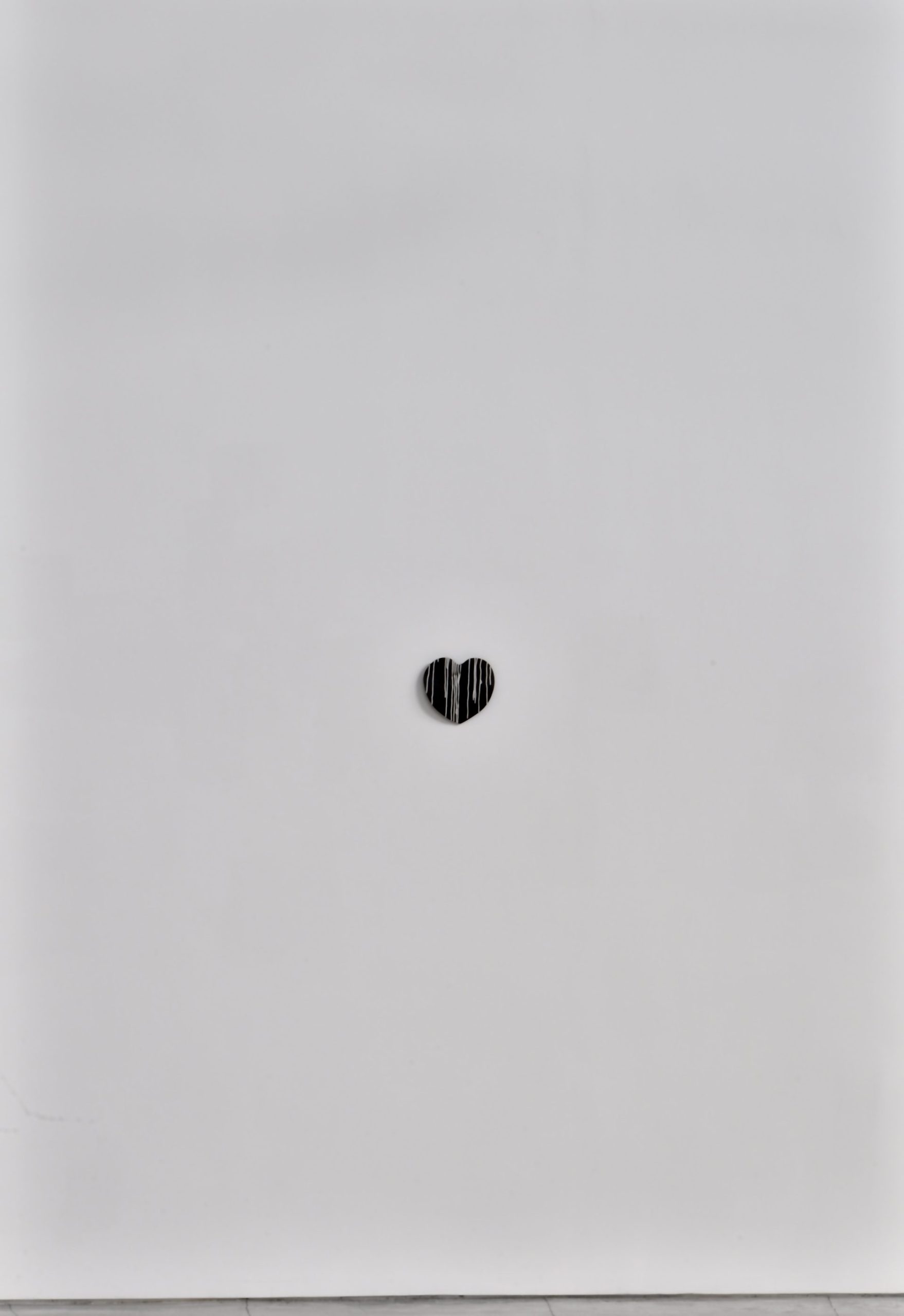
岡崎和郎《黒い雨に寄せて / ハート》 2001
-

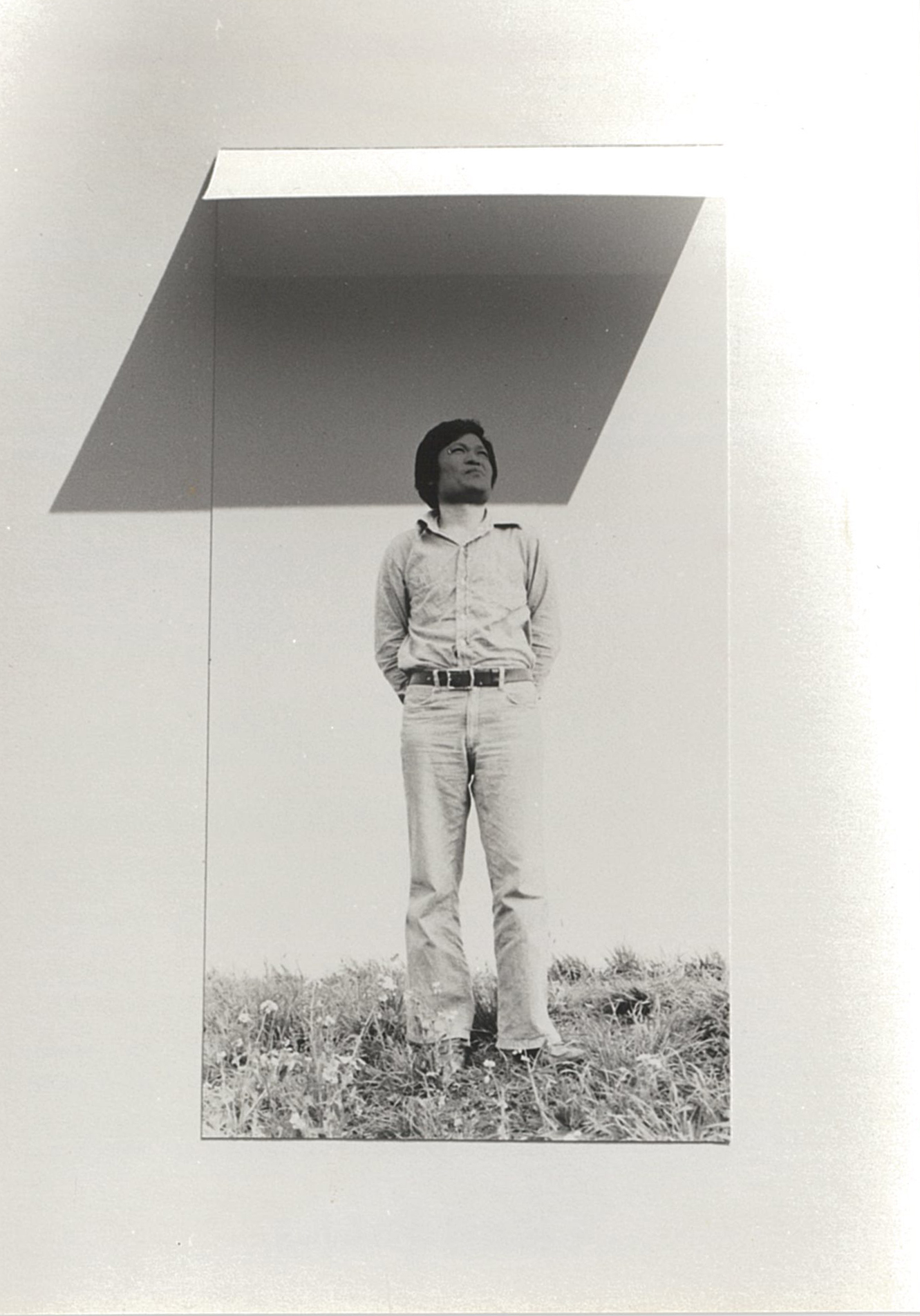
岡崎和郎《ポートレート》1978
-

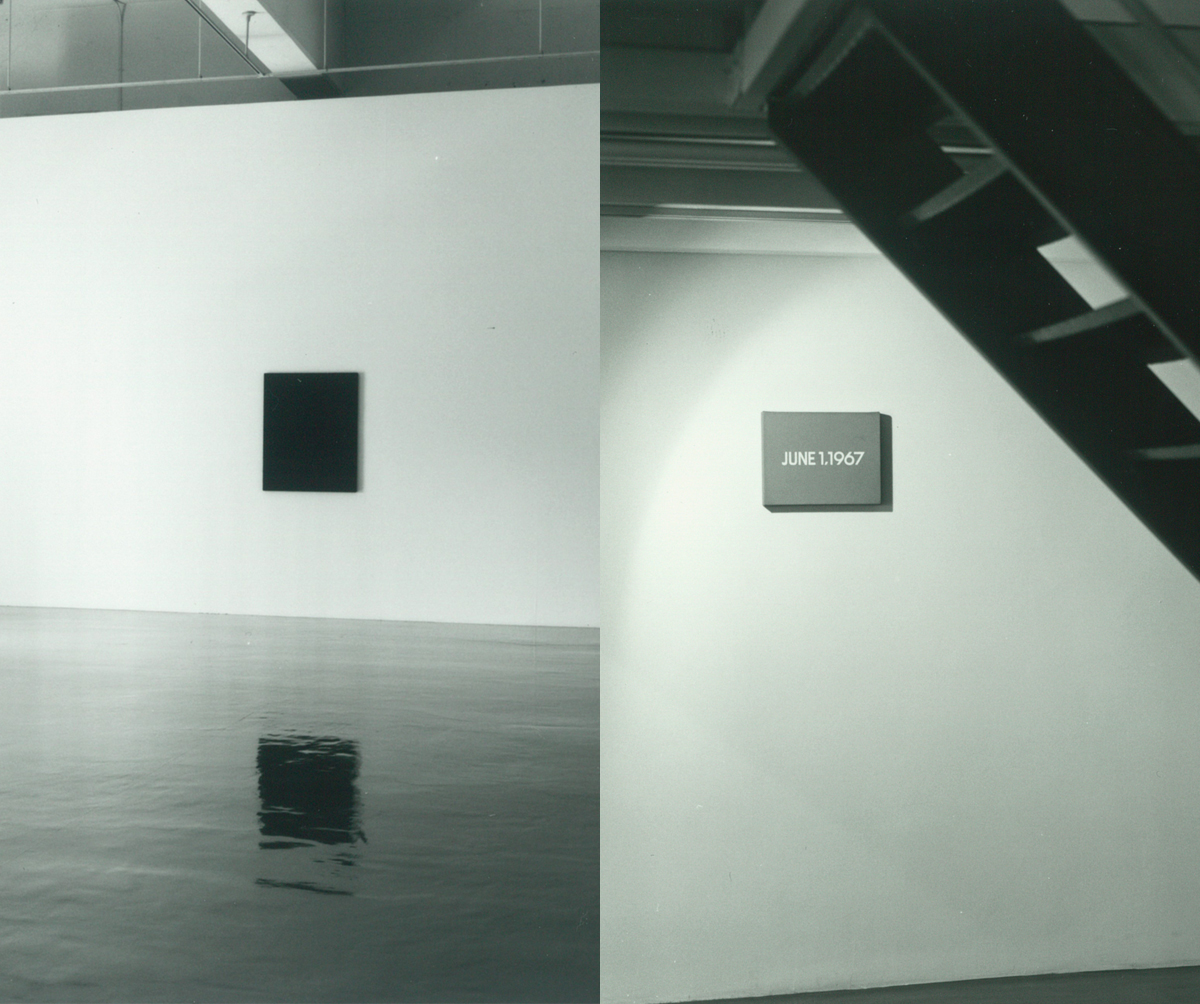
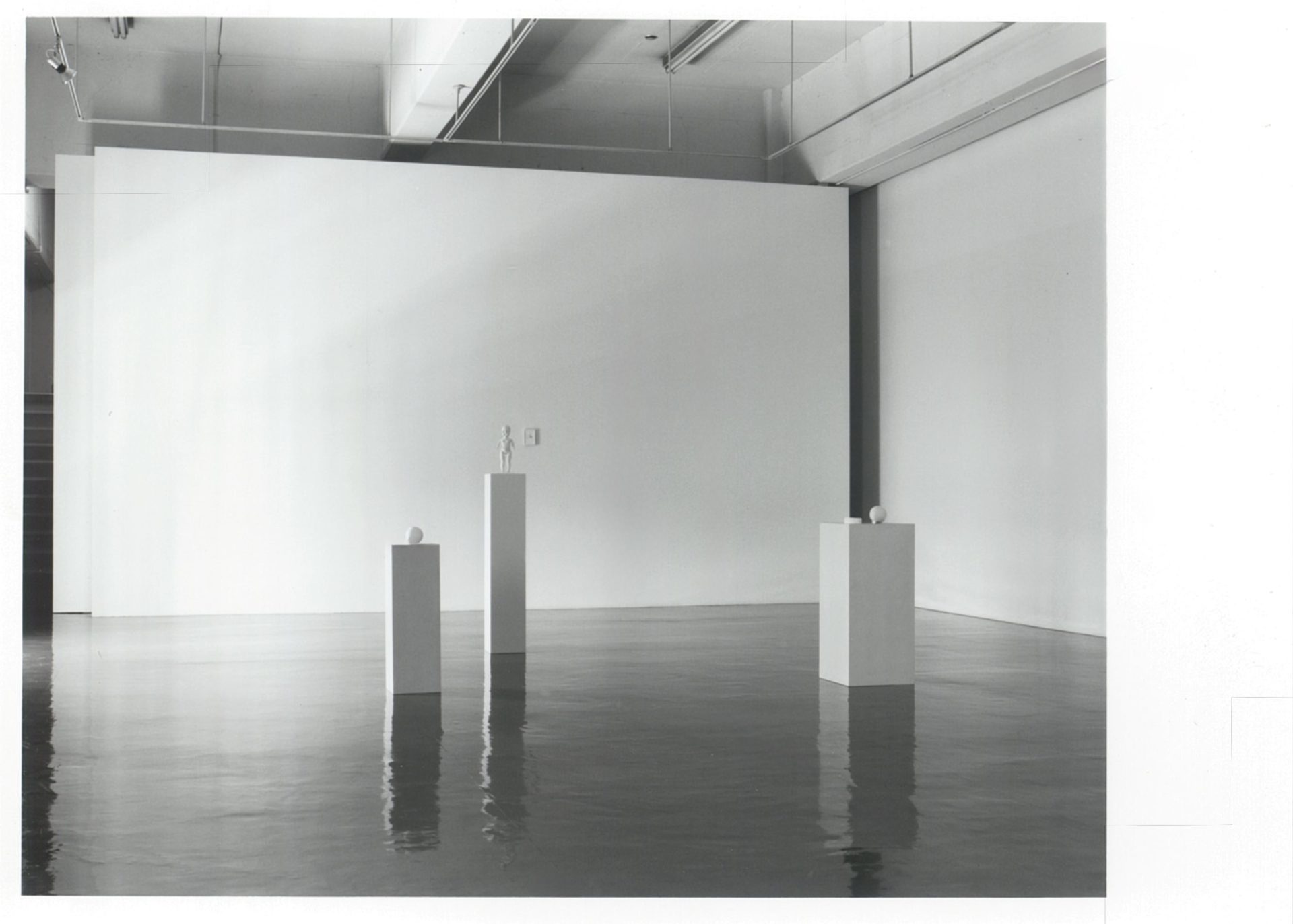
「岡崎和郎 - ものの記憶」 展示風景 2000年、横田茂ギャラリー(現 YOKOTA TOKYO)
「補遺」の思考にもとづく岡崎和郎の作品は、記憶と密接に結びついてきました。
幼い日の景色 ———空の一升瓶で玄米を突いた脱穀の光景、竹槍を振るう大人、玩具の人形、空地、足袋、「黒い雨」、日の丸
戦中から戦後にかけて目にしたそれらの光景のなかで、本来の用途を失った「もの」は彼の記憶に留まり、やがてかたちを得て作品となっていきます。
岡崎にとって「作ること」は、同時に彼此を貫いて「観ること」でもありました。
1930年生まれの作家にとって、こうした少年期の体験は、その後に展開する造形感覚の基盤と深く結びついていたのかもしれません。
「過去のもの、記憶して持っているもの、インプットされたもの、自分がやってきたことが、僕の制作の契機というか、大事な源になっている。歴史というのは補遺の連続であり、補遺そのものと言える。 (中略) 一生のうちに一つのものの考え方を埋めていって、自分の全体ができればいいと思っている、それだけです。」 ——— 神奈川県立近代美術館 個展インタビュー(2010年)より
弊廊では2000年4月、岡崎和郎の個展「ものの記憶」を開催いたしました。
本展は、それをあらためて見つめ直す機会を通じて、岡崎の作品全体を捉え直す端緒となるものです。
記憶を宿した作品を通じて、作家の思考に触れ、さらに深める機会となれば幸いです。
— English below —
YOKOTA TOKYO is pleased to present the exhibition “Kazuo Okazaki: Mono no Kioku (The Memory of Objects) — A Reconsideration.”
Rooted in his concept of the “Supplement” (hoi), the works of Kazuo Okazaki have been intimately intertwined with memory.
In his early childhood, Okazaki witnessed a series of scenes and objects—the sight of threshing brown rice by pounding it with an empty glass bottle, adults wielding bamboo spears, toy dolls, vacant lots, tabi socks, “black rain,” and the Japanese national flag (Hinomaru).
Among these wartime and immediate postwar scenes, the “things” that had lost their original function remained in his memory and eventually took shape as works of art. For Okazaki, the act of making was at once an act of perceiving—a sustained gaze that pierces beyond the visible and extends across time.
For an artist born in 1930, these scenes encountered in his boyhood may have been deeply connected with the foundation of the sculptural sensibility that would later unfold throughout his career.
"For me, things of the past, things held in my memory, things internalized, and the things I have done are vital sources for art and catalysts for my work. History is a chain of “supplements.” In fact, it might be called a “supplement” in itself. […] I have always thought that it would be enough if I could complete my whole self by fulfilling a single way of thinking during my lifetime."
— From n interview conducted during his solo exhibition at The Museum of Modern Art, Kamakura & Hayama, in 2010.
In April 2000, our gallery presented Okazaki’s solo exhibition “Mono no Kioku” (The Memory of Objects). The present exhibition revisits that earlier moment and serves as a point of departure for reconsidering his body of work as a whole.
Through the works that imbued with memory, we hope that this exhibition will provide an occasion to encounter and to further engage with Okazaki’s thought.
- 展覧会名
- 岡崎和郎 – ものの記憶・再考
- 分類
- 企画展
- 会場
- YOKOTA TOKYO
- 会期
- 2026年03月09日~2026年04月03日 Googleカレンダーに登録📅
- 休館日
- 土日祝休
- 観覧料
- 無料
- 住所
-
105-0022 東京都港区海岸1-15-1
- アクセス
- • JR 浜松町駅 南口より徒歩5分
(南口連絡通路 S4 出口より東京ガスビルの側道をご利用ください)
• ゆりかもめ線 竹芝駅より 徒歩3分
• 都営大江戸線・浅草線 大門駅より 徒歩10分 - 公式サイト
- https://yokotatokyo.com/index.html
- 公式SNS
- お問合せ先
- MAIL: info@yokotatokyo.com
TEL: 03-3433-4479