


2026年08月29日掲載
ARCHIVE 高山登の「点展」
YOKOTA TOKYO
- 会期
- 2026年08月31日~2026年09月25日
カルーセル
-

第2回「点展」 汲沢団地でのイベント風景 1975年
-

第2回「点展」 汲沢団地でのイベント風景 1975年
-

第2回「点展」 "奈る駒"でのイベント風景 1975年
-

第3回「点展」 高山の自宅でのイベント 1977年
-

第3回「点展」 高山の自宅でのイベント 1977年
-

高山登《エレベーター》1969
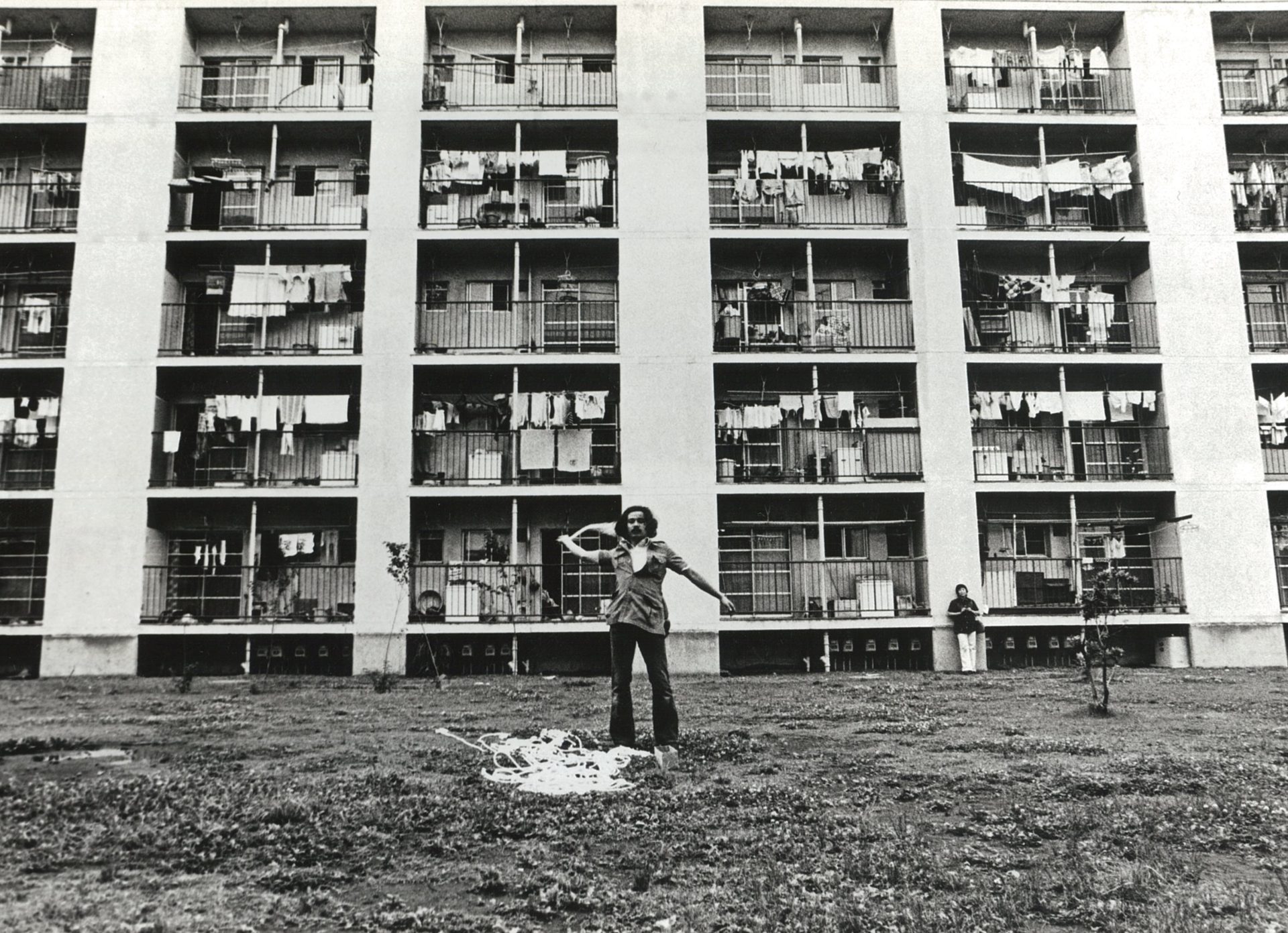
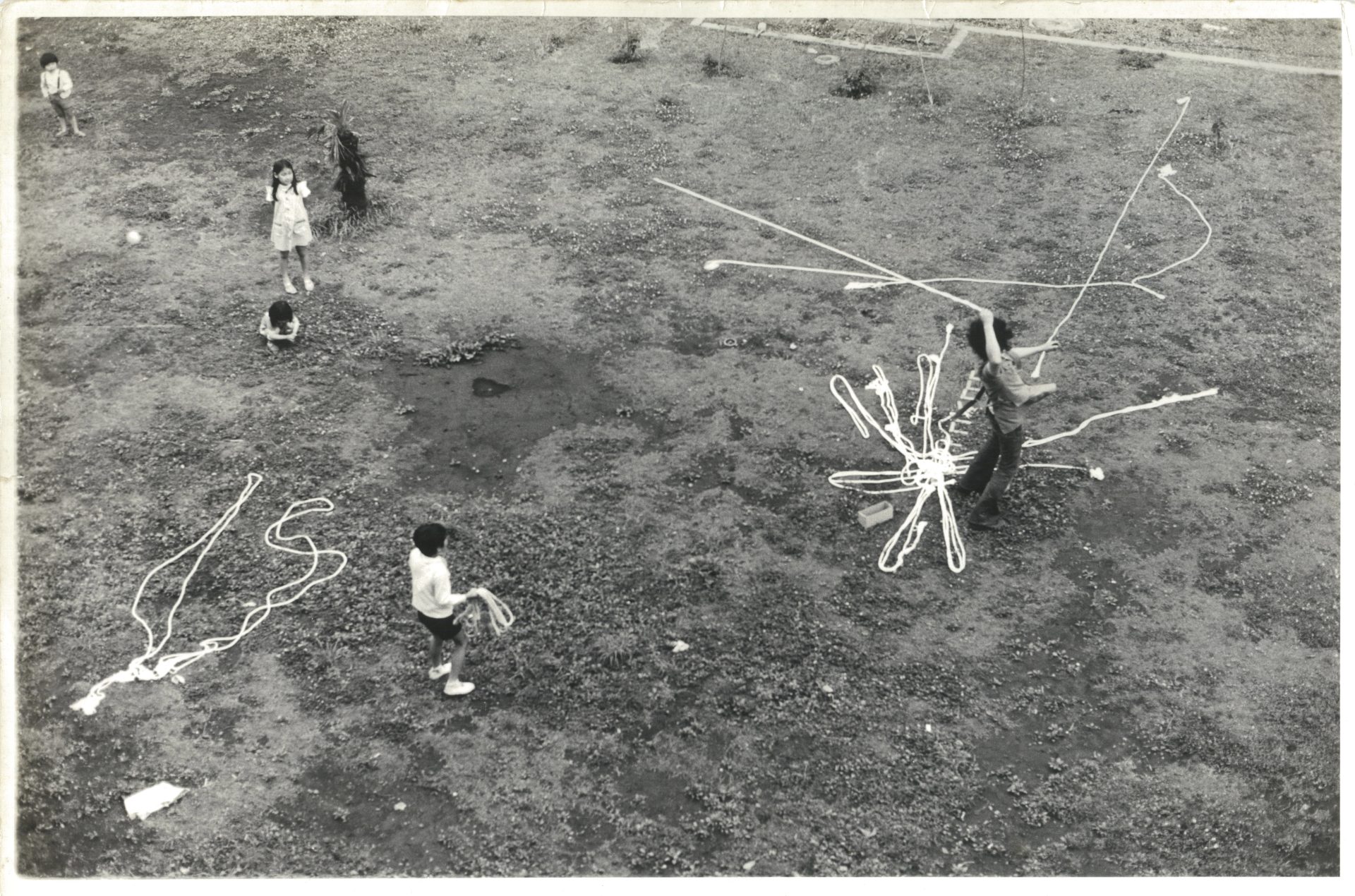
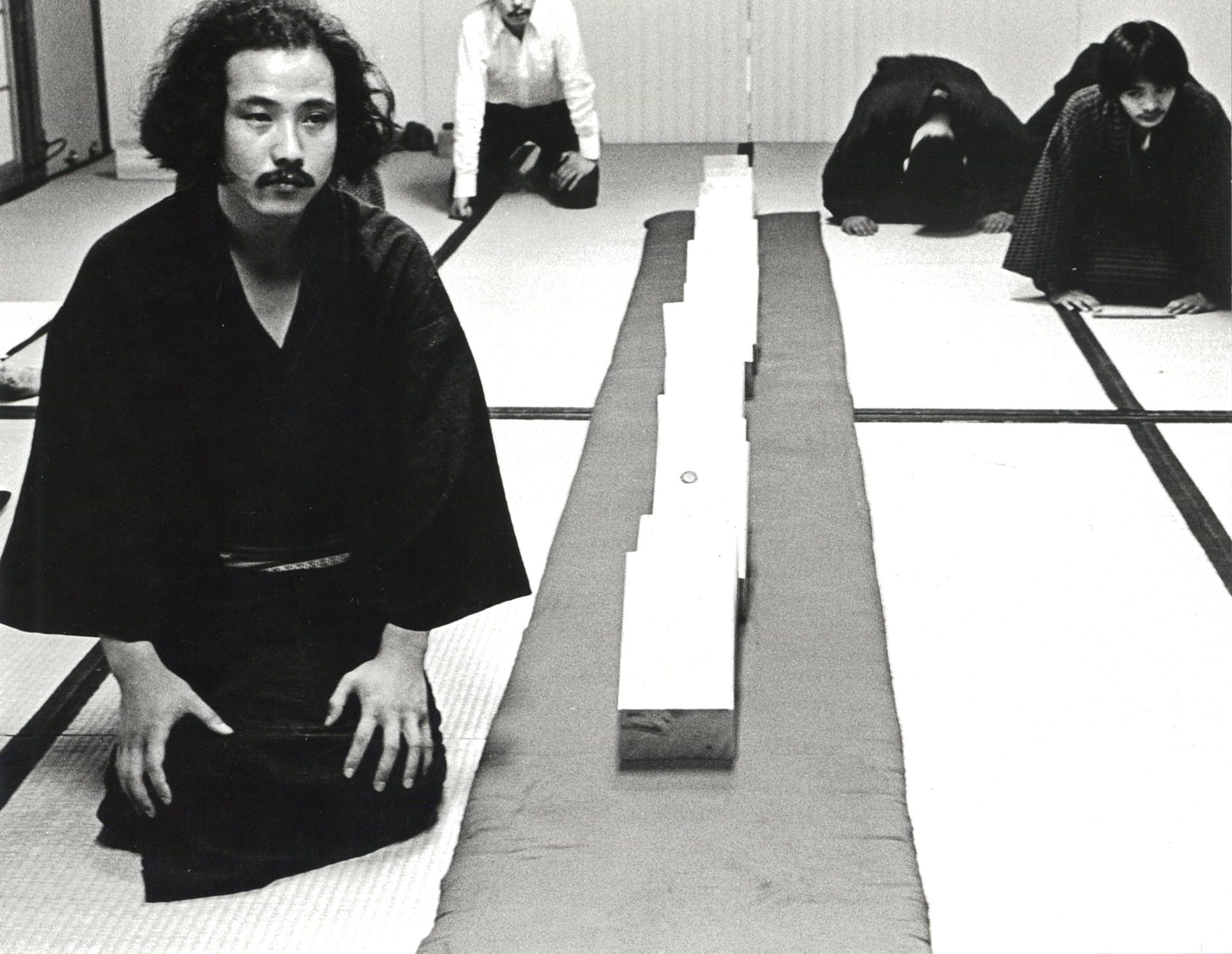
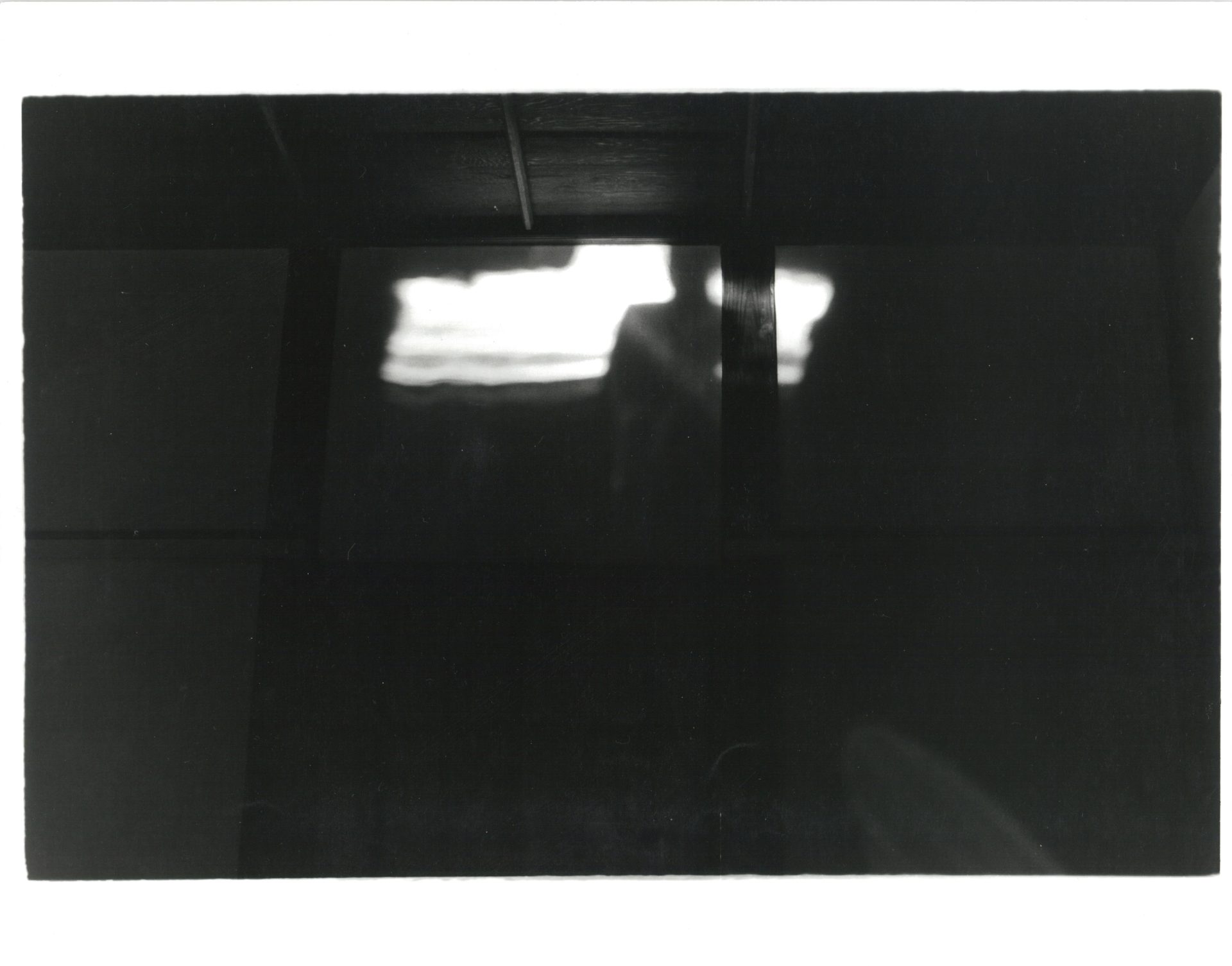
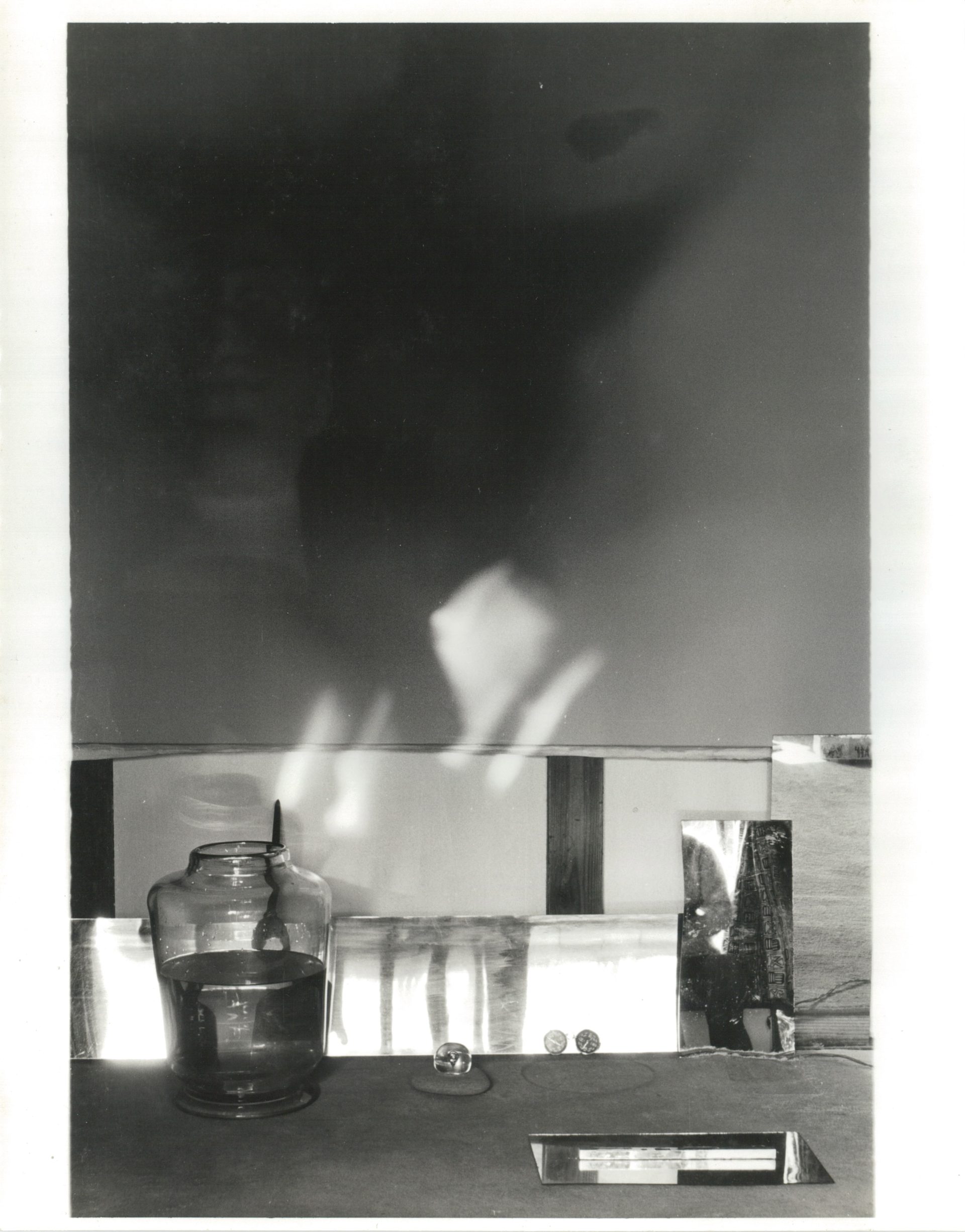
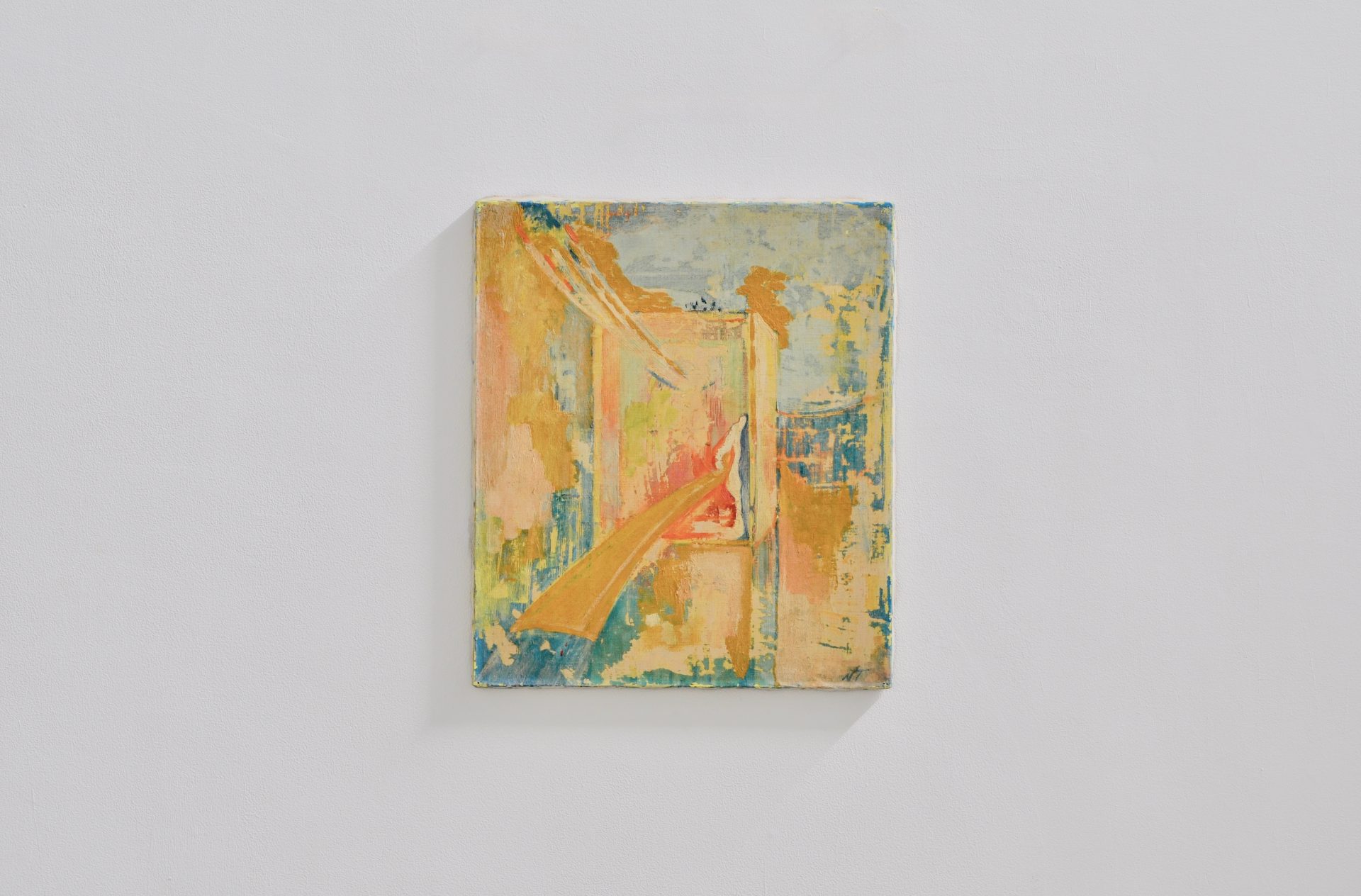
「点展」は、1973年から1977年にかけて4回にわたり、作家たちが自宅やその周辺を会場として自主的に行った展覧会です。美術館や画廊といった既存の展示施設を離れ、日常の生活空間を発表の場とし、観客がそれぞれの場所を巡って作品を鑑賞するという試みでした。
高山登は、第1回から第4回まで継続して「点展」に参加しました。1970年の「SPACE TOTSUKA 70」での実践を経て、点展においても同時代の作家たちと議論を交わしながら、既存の美術制度を離れ、日常そのものを制作の場としていきました。
本展では、アトリエに残されていた写真群より、高山が点展で行った展示やパフォーマンスを紹介します。水を流す、釘や紐を投げる、光を投射する…そうした行為を捉えた写真には、制作の過程や、それを取り巻く日常の風景が、いきいきと写し込まれています。
高山が「点展」で日常にどのように働きかけようとしたのか、その一端を辿ることで、作家の制作を改めて考える機会となれば幸いです。そしてまた、当時の人々を取り巻いていた時代の空気や、そのなかで何かを掴もうとする身体感覚のようなものも、感じていただければと思います。
本展にあたっては、高山夫人が手ずから整理された写真と関連資料が大切な基盤となっています。
また、和田浩一氏(元宮城県美術館)にはご助言をいただくとともに、テキストをご執筆いただきました。お二人に深く感謝申し上げます。
高山登(1944–2023):
1944年、東京生まれ。東京藝術大学で油画を学び、1960年代末から鉄道の枕木を主要な素材として、場所や身体、記憶をめぐる独自の表現を展開しました。
1968年頃、当時暮らしていたアパートの敷地で枕木を用いた試作を始め、以後、枕木は高山の制作における主要な素材となっていきました。
1970年には、榎倉康二、藤井博、羽生真とともに、その空き地を開墾し制作・展示を行う「SPACE TOTSUKA 70」を開催しました。
防腐加工を施された枕木と、それが帯びる社会的・歴史的な意味に向き合いながら、枕木による表現を軸に制作を展開しました。その空間構成には、絵画を学んだ経験とのつながりもうかがえます。さらに、ドローイングやパフォーマンスなど多様な方法を通して、生涯にわたり緊張感と強度をもつ表現を追究しました。
1973年には第8回パリ国際青年ビエンナーレ、1976年にはシドニー・ビエンナーレ、1997年には光州ビエンナーレなど、国内外の展覧会に参加しています。
2010年には宮城県美術館で「高山登展―300本の枕木 呼吸する空間」、2011年には東京藝術大学大学美術館で退任記念展「枕木―白い闇×黒い闇」が開催されました。
長年にわたり宮城教育大学、東京藝術大学などで教育にも携わり、後進の指導にあたりました。
-English below-
“Ten Ten” was a series of four exhibitions held between 1973 and 1977, independently organized by artists using their own homes and surrounding areas as venues. Moving away from museums and galleries, they turned everyday living spaces into sites for presenting their work, while visitors moved from one location to another.
Noboru Takayama participated in all four editions of “Ten Ten.” Following his work in SPACE TOTSUKA 70 in 1970, he continued to work outside established art institutions, making everyday life itself a site of artistic practice.
This exhibition presents works and performances Takayama carried out as part of “Ten Ten,” drawing on photographs preserved in his studio. Pouring water, throwing nails and cords, projecting light… These images record not only the works themselves, but also the processes through which they took shape, the people present, and the everyday settings in which they unfolded.
Through these photographs, the exhibition seeks to reconsider Takayama’s practice through the ways he sought to act upon the everyday, while also conveying something of the atmosphere of the time and a bodily mode of engaging with the world that remains relevant to artistic practice and to our own experience today.
We are grateful to Mrs. Takayama for organizing the photographs and related materials, and to Koichi Wada for his advice and text.
About Noboru Takayama (1944–2023):
Born in Tokyo in 1944, Noboru Takayama studied oil painting at Tokyo University of the Arts. From the late 1960s onward, he developed a distinctive practice centered on railway sleepers, exploring questions of place, the body, and memory.
Around 1968, Takayama began experimenting with railway sleepers on the grounds of the apartment building where he was living, and they subsequently became a principal material in his work. In 1970, together with Koji Enokura, Hiroshi Fujii, and Makoto Hanyu, he organized SPACE TOTSUKA 70, clearing the vacant lot and developing their work through an active, bodily engagement with their surroundings.
Engaging with both the treated railway sleepers themselves and the social and historical meanings they carried, Takayama developed a body of work centered on their use. His approach to the organization of space also suggests a connection to his training in painting. Through a range of methods, including drawing and performance, he pursued a practice marked by tension and intensity throughout his life.
Takayama participated in numerous exhibitions in Japan and abroad, including the 8th Paris Biennale in 1973, the Biennale of Sydney in 1976, and the Gwangju Biennale in 1997. In 2010, Noboru Takayama: 300 Railway Sleepers—Breathing Space was held at the Miyagi Museum of Art, followed in 2011 by his retirement exhibition, Railway Sleepers—White Darkness × Black Darkness, at the University Art Museum, Tokyo University of the Arts.
He also taught for many years at institutions including Miyagi University of Education and Tokyo University of the Arts, mentoring younger generations of artists.
- 展覧会名
- ARCHIVE 高山登の「点展」
- 分類
- 企画展
- 会場
- YOKOTA TOKYO
- 会期
- 2026年08月31日~2026年09月25日 Googleカレンダーに登録📅
- 休館日
- 土日祝休
- 観覧料
- 無料
- 住所
-
105-0022 東京都港区海岸1-15-1
- アクセス
- • JR 浜松町駅 南口より徒歩5分
(南口連絡通路 S4 出口より東京ガスビルの側道をご利用ください)
• ゆりかもめ線 竹芝駅より 徒歩3分
• 都営大江戸線・浅草線 大門駅より 徒歩10分 - 公式サイト
- https://yokotatokyo.com/index.html
- 公式SNS
- お問合せ先
- 土日祝休